In the modern era of high-performance computing, servers, and industrial applications, effective thermal management has become more than a technical necessity; it is a strategic business advantage. As organizations in Canada invest in high-density computing, the need for efficient cooling solutions has skyrocketed. Among the most advanced tools for thermal control are coldplates, which have emerged as a cornerstone of next-generation cooling strategies. These devices offer precision cooling that enhances performance, reliability, and energy efficiency, making them essential for both enterprise and industrial applications.
Table of Contents
- Understanding Coldplates and Their Role in Cooling
- Why Coldplates Are Critical for Modern Computing in Canada?
- Direct to Chip Cooling: A Game-Changer for High-Performance Systems
- Applications of Coldplates Across Industries in Canada
- Advantages of Implementing Coldplates
- Conclusion
Understanding Coldplates and Their Role in Cooling
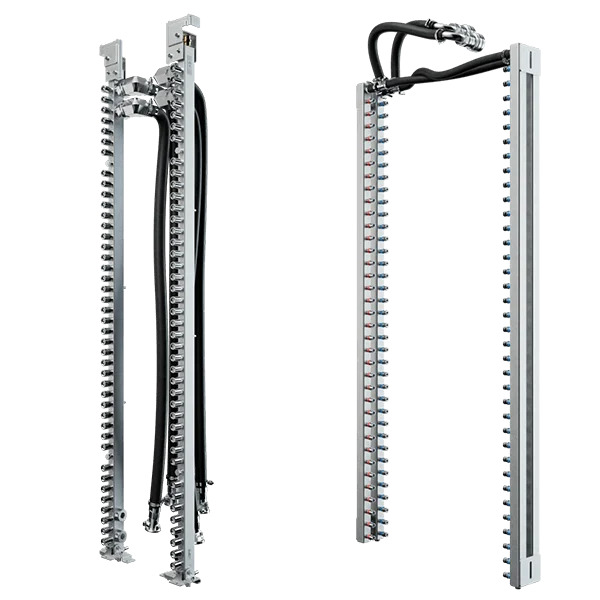
At its core, a coldplate is a metal component designed to absorb heat from a source, typically a processor, power module, or other high-heat electronics, and transfer it to a liquid coolant. The process relies on efficient heat conduction and liquid flow to dissipate energy effectively. Unlike traditional air cooling, which struggles with high-density environments, cold plates provide a direct, highly efficient method of heat removal.
Data centers, research labs, and industrial facilities have increasingly turned to liquid cold plates because of their superior performance in managing thermal loads. These systems often involve direct to chip cooling, where the coldplate is placed in direct contact with the processor or other heat-generating component. This approach minimizes thermal resistance, allowing heat to move rapidly from the chip to the coolant and ultimately out of the system.
Why Coldplates Are Critical for Modern Computing in Canada?
The demand for high-performance servers and advanced computing solutions in Canada has been growing steadily. Industries ranging from cloud computing and AI research to telecommunications and fintech are driving data center expansion. As server racks become denser and compute loads increase, traditional air-based cooling solutions are often insufficient. Coldplates provide the precision and reliability required to handle these challenges.
One key advantage of cold plates is their ability to manage hotspots. In conventional setups, airflow can be uneven, leaving certain areas undercooled while others receive excess cooling. Coldplates distribute thermal energy more uniformly, ensuring that each processor or power module operates within its ideal thermal range.
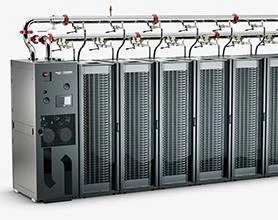
Furthermore, liquid cold plates integrate seamlessly into liquid cooling loops, allowing facility managers to optimize energy consumption. By circulating coolant efficiently through multiple coldplates, operators can reduce the need for large-scale air conditioning, lowering electricity costs while maintaining peak performance. This dual benefit of efficiency and performance is why many organizations view coldplates as an essential investment for sustainable, high-density computing.
Direct to Chip Cooling: A Game-Changer for High-Performance Systems
Direct to chip cooling is a technique that has revolutionized server and industrial cooling. Instead of relying on indirect heat transfer methods, the coolant interacts directly with the heat source through the coldplate. This setup minimizes thermal lag and allows for faster heat removal. For operating in climates with higher ambient temperatures or regions with limited cooling infrastructure, direct to chip cooling can make a substantial difference in system stability and uptime.
Coldplates designed for direct contact with CPUs or GPUs often feature customized channels to maximize coolant flow and heat transfer. These designs are tailored to each application, ensuring that every processor receives optimal thermal management. Combined with liquid cold plates, direct to chip cooling helps servers handle demanding workloads, from AI processing to scientific simulations, without overheating or performance degradation.
Applications of Coldplates Across Industries in Canada
The versatility of coldplates makes them suitable for a wide range of applications beyond conventional data centers. For instance, in industrial automation, high-power electronics generate significant heat that can compromise system performance. Coldplates efficiently manage thermal loads, protecting sensitive machinery while maintaining operational consistency.
In research and high-performance computing facilities, cold plates are instrumental in cooling GPUs and AI accelerators. These chips produce intense localized heat, which conventional fans cannot adequately dissipate.
Advantages of Implementing Coldplates
By transferring heat directly away from critical components, coldplates deliver precise and efficient thermal management that traditional air-cooling systems often cannot achieve. Investing in coldplates offers several tangible benefits:
Enhanced Reliability and System Stability
One of the primary advantages of coldplates is their ability to maintain stable operating temperatures for critical hardware components. Excessive heat is one of the leading causes of equipment degradation, system instability, and unexpected hardware failure. When processors, GPUs, and other high-performance components operate under excessive thermal stress, performance can decline significantly, increasing the risk of downtime and costly disruptions.
Coldplates help prevent these issues by removing heat directly from the source. Through continuous coolant circulation, they maintain consistent temperatures even during demanding workloads.
For industries that rely on uninterrupted computing performance, such as:
- Artificial intelligence (AI)
- Healthcare technology
- Telecommunications
- Scientific research
Improved Energy Efficiency
Energy efficiency has become a major priority for modern organizations, particularly as data centers consume increasing amounts of electricity worldwide. Traditional air-cooling systems often require large volumes of chilled air and high-powered fans to maintain safe operating temperatures.
Key energy efficiency benefits include:
- Lower overall power consumption
- Decreased dependence on high-capacity HVAC systems
- Better support for sustainability initiatives
Precision Cooling with Direct-to-Chip Technology
Modern processors and GPUs generate extremely concentrated heat loads, particularly in AI, machine learning, and high-performance computing applications. Traditional cooling methods often struggle to target these localized hotspots effectively. Coldplates solve this challenge through direct-to-chip cooling technology.
Precision cooling provides several operational benefits:
- Improved processor efficiency
- Reduced thermal throttling
- More consistent application performance
- Enhanced workload stability
- Better cooling distribution across high-density systems
Scalability for Growing Infrastructure
For growing operations across Canada and other regions experiencing increased demand for high-density computing, coldplates provide a future-ready solution that adapts to evolving operational requirements.
Scalable coldplate implementations also help organizations:
- Support AI and HPC expansion
- Increase rack density efficiently
- Prepare for future cooling demands
Extended Equipment Lifespan
Thermal stress can significantly shorten the lifespan of sensitive electronic components. Frequent exposure to excessive heat accelerates wear on processors, circuit boards, and power systems, increasing maintenance costs and replacement frequency. Coldplates help minimize thermal stress by maintaining consistent operating temperatures and preventing overheating events.
Benefits of reduced thermal stress include:
- Lower hardware replacement costs
- Improved long-term system performance
- Greater infrastructure reliability
Better Support for High-Density and AI Workloads
Artificial intelligence, machine learning, and high-performance computing applications require significantly greater processing power than traditional workloads. Coldplates are specifically designed to support these demanding workloads by providing high-capacity thermal transfer directly at the component level.
As AI adoption continues growing, coldplates are becoming an increasingly important part of modern cooling strategies for:
- AI training clusters
- Hyperscale data centers
- Advanced analytics platforms
Improved Sustainability and Environmental Performance
Sustainability is now a key focus for modern infrastructure planning. Organizations are under increasing pressure to reduce energy consumption, lower emissions, and operate more environmentally responsible facilities. By improving cooling efficiency and reducing electricity usage, coldplates contribute directly to sustainability goals.
FAQs
What are coldplates and how do they work?
Coldplates are metal components that absorb heat from high-performance electronics and transfer it to liquid coolant. They are used in direct to chip cooling setups to enhance thermal efficiency.
Can coldplates be used with liquid cooling loops?
Yes. Liquid cold plates are specifically designed to circulate coolant through a closed loop, maximizing heat transfer and reducing energy costs.
What is direct to chip cooling?
Direct to chip cooling involves placing a cold plate in direct contact with a processor or power module. This minimizes thermal resistance, rapidly transferring heat to the coolant for efficient dissipation.
Are coldplates suitable for industrial applications in Canada?
Absolutely. Coldplates are widely used in industrial facilities, research labs, and data centers to manage high thermal loads, especially in high-density or high-power environments.
How do coldplates improve energy efficiency?
By efficiently transferring heat to liquid coolant, coldplates reduce the reliance on large-scale air conditioning, lowering electricity costs and improving overall system efficiency.
Conclusion
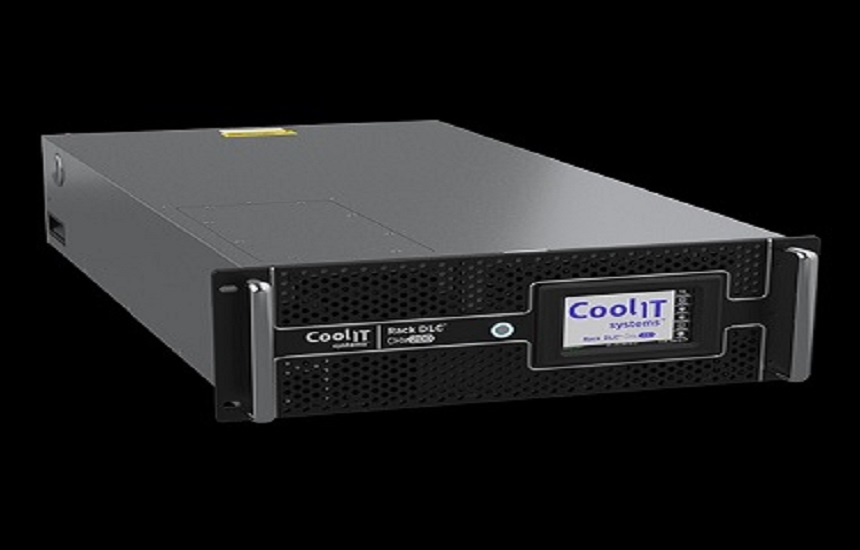
As computing demands rise across Canada, the role of coldplates in advanced cooling solutions has never been more critical. From data centers to industrial automation, coldplates provide precise, efficient, and scalable thermal management. Integrating liquid cold plates and direct-to-chip cooling into your operations ensures that servers and high-performance systems maintain stability, efficiency, and longevity. Companies like CoolIT Systems specialize in delivering tailored coldplate solutions that meet the specific needs of various industries, helping facilities stay cool, efficient, and future-ready. Organizations can also simplify on-site access and service coordination by using navigation tools to locate coldplate systems and cooling infrastructure quickly and efficiently.


