A home’s siding is constantly exposed to changing outdoor conditions. Heat, sunlight, humidity, rain, wind, and seasonal temperature shifts can gradually affect how exterior materials look and perform. For homeowners considering siding replacement in Austin, understanding these weather-related pressures can make it easier to choose suitable materials and plan long-term maintenance. The right exterior cladding should do more than complement a home’s appearance. It should also provide dependable moisture protection, weather resistance, and structural coverage while remaining compatible with the building beneath it.
Table of Contents
- How Heat and Sunlight Can Affect Siding
- Humidity and Moisture Require Careful Attention
- Strong Winds Can Reveal Weak Installation Areas
- Temperature Changes Can Stress Exterior Materials
- Weather Can Affect Paint and Finish Performance
- When Weather Damage May Point Toward Replacement
- Why Installation Quality Matters in Austin Weather
- Maintenance Can Help Extend Siding Performance
- Final Thoughts
How Heat and Sunlight Can Affect Siding
Austin experiences long periods of strong sunlight and high temperatures. Continuous exposure can place stress on some siding materials, especially as exterior surfaces heat during the day and cool after sunset.
Over time, these temperature changes may contribute to expansion, contraction, fading, warping, or surface deterioration depending on the material. Homeowners planning siding replacement in Austin should consider how well a product handles prolonged heat and ultraviolet exposure. Color choice, finish quality, installation method, and material composition can all influence long-term durability.
Why UV Resistance Matters
Ultraviolet radiation can gradually change the appearance of exterior surfaces. Some finishes fade faster than others, especially on elevations that receive direct sunlight for much of the day.
Choosing exterior cladding with a durable finish and following manufacturer maintenance recommendations can help preserve its appearance.
Humidity and Moisture Require Careful Attention
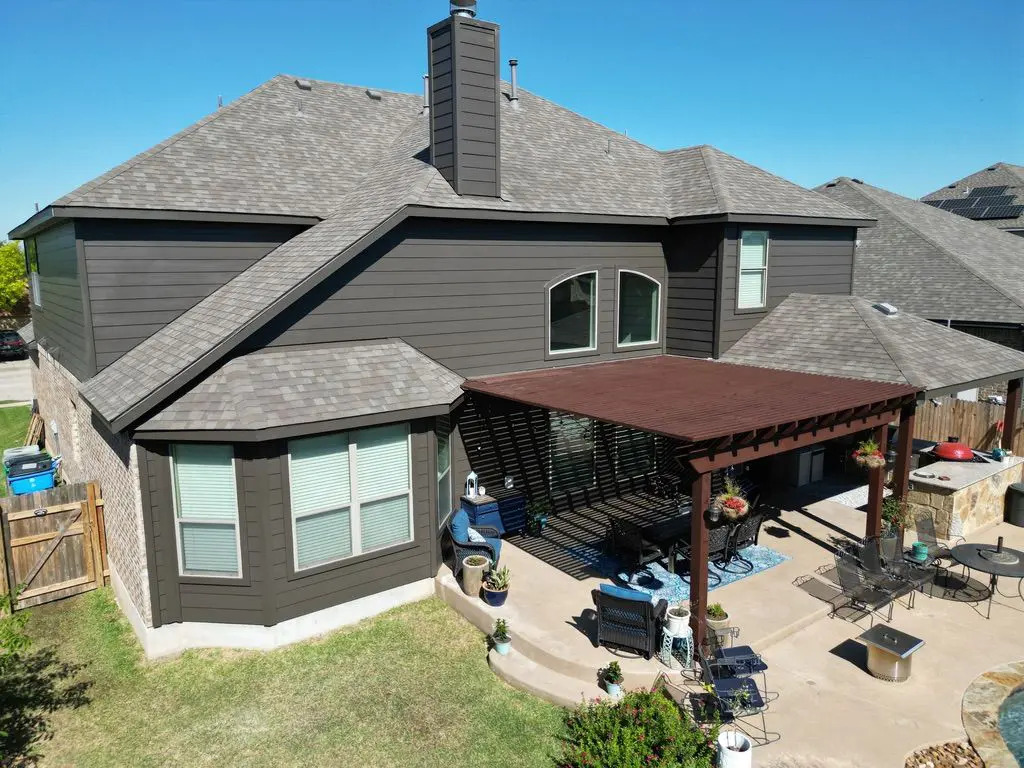
Moisture that reaches areas behind damaged siding may affect sheathing, framing, insulation, or weather-resistant barriers. Problems can also develop around windows, doors, corners, and wall penetrations when flashing or sealing details are inadequate. A well-planned residential siding installation should therefore include proper drainage, flashing, clearances, fastening, and moisture-management practices.
Fiber Cement and Moisture Resistance
Strong Winds Can Reveal Weak Installation Areas
Wind does not affect every part of a home equally. Corners, rooflines, trim sections, soffits, and areas around openings may receive greater exposure.
Loose panels, improperly secured boards, damaged trim, or weak fastening points may become more noticeable during periods of stronger weather. Professional siding installation in Austin should follow material-specific fastening requirements and account for vulnerable transition areas.
Temperature Changes Can Stress Exterior Materials
Even without freezing conditions, repeated temperature changes can affect how siding materials expand and contract. Materials installed too tightly, poorly fastened, or without recommended clearances may be more likely to show visible movement or distortion.
This is one reason installation quality matters as much as material selection. An experienced siding contractor in Austin, TX, should understand manufacturer installation requirements and local environmental conditions before beginning work.
Weather Can Affect Paint and Finish Performance
Siding finishes also experience constant exposure to sunlight, heat, moisture, and airborne debris.
Common signs of finish deterioration may include:
- Fading
- Chalking
- Peeling
- Cracking
- Uneven discoloration
- Surface staining
These issues do not always mean the must be replaced. Cleaning, repainting, or addressing isolated problem areas may sometimes be sufficient. However, widespread surface problems combined with moisture damage and rot can indicate a larger exterior issue.
When Weather Damage May Point Toward Replacement
Homeowners should look for patterns, not a single cosmetic defect. Repeated problems across multiple walls may suggest the siding system has reached a point where ongoing fixes are becoming less practical.
Signs that may justify a closer inspection include:
- Multiple warped or cracked boards
- Recurrent moisture staining
- Soft or deteriorated sections
- Loose siding across several areas
- Rot behind damaged panels
- Failed flashing
- Persistent gaps around openings
When evaluating a siding replacement company in Austin, Texas, homeowners should ask how the company will assess existing damage before installing new materials.
Why Installation Quality Matters in Austin Weather
Material performance depends heavily on installation.
Even durable siding can underperform if installers overlook flashing, fastening, drainage, clearance, or weather-barrier details. Proper installation helps the exterior wall system manage water and respond better to temperature changes. During siding replacement in Austin, homeowners should ask how contractors plan to address damaged sheathing, old flashing, wall transitions, and other underlying conditions discovered after removal.
Maintenance Can Help Extend Siding Performance
Regular exterior inspections can help identify smaller problems before they spread.
Homeowners can periodically check:
- Seams and joints
- Window and door trim
- Lower wall sections
- Corners and rooflines
- Caulked transitions
- Painted surfaces
Cleaning schedules and maintenance requirements vary by product, so homeowners should review the manufacturer’s recommendations. Genuine Texas Exteriors provides James Hardie fiber cement siding as one of its exterior siding options.
Frequently Asked Questions
How does Austin heat affect siding?
Prolonged heat can place stress on exterior materials through expansion, contraction, UV exposure, and finish deterioration. Performance depends on the siding type, finish, color, and installation quality.
Can humidity damage siding?
Humidity alone does not necessarily damage siding, but trapped moisture can contribute to deterioration behind exterior materials. Proper flashing, drainage, and ventilation help manage moisture.
Is fiber cement siding suitable for changing weather?
Fiber cement siding is designed to resist several common environmental pressures, including moisture, heat, wind, and pests. Still review product specifications and installation requirements for each property.
How often should siding be inspected?
A visual inspection at least once or twice a year can help homeowners identify loose sections, damaged finishes, moisture staining, or failed sealant before problems become more extensive.
Does faded siding always need replacement?
No. Fading may only affect the finish. The condition of the siding material should also be considered, especially when fading appears alongside structural damage, moisture problems, cracking, rot, or widespread deterioration.
Can poor installation shorten siding life?
Yes. Improper fastening, insufficient clearances, poor flashing, and inadequate moisture management can reduce siding performance even with high-quality materials.
Final Thoughts
Weather can affect siding gradually, so regular inspections and appropriate material selection are key parts of exterior maintenance. Successful siding replacement in Austin should account for heat, sunlight, moisture, wind, material performance, and proper installation, not just appearance. Homeowners considering fiber cement siding can review James Hardie material options and installation requirements before deciding. Genuine Texas Exteriors offers siding services for Austin-area properties and works with James Hardie products.
Planning exterior improvements in Austin? Find the location on Google Maps for siding replacement, fiber cement siding, siding installation, and repair services.


