In an era where operational efficiency and data accuracy can make or break a business, asset tracking has become an indispensable practice across various industries. From manufacturing to logistics and healthcare to oil & gas, knowing the precise location, condition, and movement of assets is critical. Enter metal tags—a reliable, durable, and cost-effective solution that’s transforming asset tracking as we know it.
Table of Contents
This guide explores why metal tags are a game-changer for asset tracking, the types of metal tags available, their applications, and what makes them the go-to solution for industries worldwide. We’ll also delve into metal valve tags, a specialized category, and answer some frequently asked questions about metal tag use.
What Are Metal Tags?
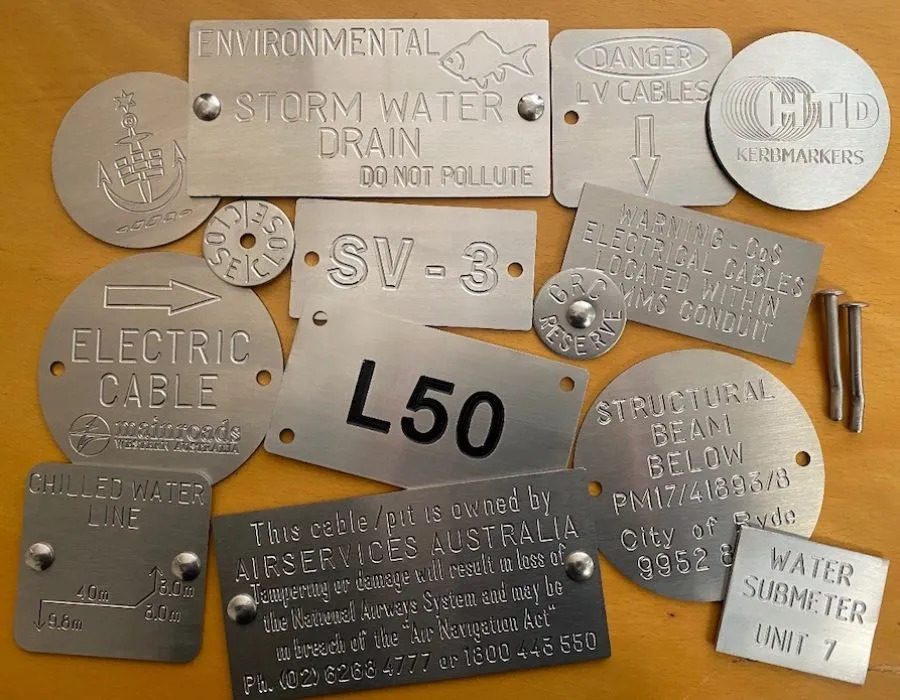
Metal tags are identification plates or labels made from metals like stainless steel, aluminum, brass, or anodized aluminum. These tags are laser-engraved, stamped, etched, or printed with important asset information such as serial numbers, barcodes, QR codes, and product details. Because of their exceptional durability, metal tags are ideal for environments where paper or plastic labels would quickly deteriorate.
They are commonly used in industrial settings, where extreme temperatures, moisture, chemicals, or heavy wear and tear are present. With options to customize, metal tags are available to cater to specific business needs, whether it’s for machinery, tools, equipment, or inventory.
Why Metal Tags Are a Game Changer for Asset Tracking
1. Durability That Lasts Decades
One of the standout advantages of metal tags is their durability. Unlike paper or plastic tags that fade or peel, metal tags can withstand harsh environments for years without degradation. This makes them ideal for industrial asset tracking where reliability is non-negotiable.
2. Improved Accuracy and Efficiency
With barcodes, QR codes, or RFID embedded in metal tags and labels, data collection becomes seamless. Workers can scan assets quickly, ensuring real-time updates and reduced human error. This level of automation minimizes downtime and streamlines operations.
3. Customization for Any Application
Modern industries demand versatility, and custom metal tags in Canada and worldwide are now being tailored to meet various requirements. You can choose the size, shape, metal type, and data format that best suit your needs. For instance, metal engraved labels are excellent for permanent identification, while color-coded aluminum tags can aid in quick visual recognition.
4. Branding and Compliance
Metal name plates don’t just serve a practical purpose—they also reinforce brand identity and help meet compliance standards. Custom metal tags can be etched with logos, certifications, and compliance information, ensuring your brand appears professional while meeting legal and safety requirements.
5. Versatile Applications
From tracking tools and heavy machinery to valves and pipelines, industrial metal tags are adaptable. Whether it’s a construction site, manufacturing facility, or data center, metal tags help you keep a tight grip on your assets.
Spotlight on Metal Valve Tags
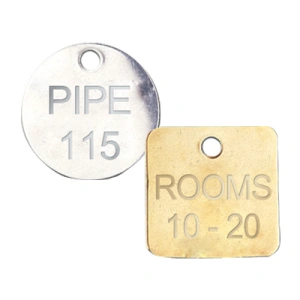
Metal valve tags are a specialized type of asset identification used primarily in industrial plumbing, mechanical systems, and oil & gas pipelines. These tags are attached to valves and carry essential data like flow direction, valve number, pressure ratings, and operation instructions.
Here’s why metal valve tags are crucial:
Efficiency: With clear identification, maintenance crews can work faster and more accurately.
Safety: They ensure the right valve is operated, reducing the risk of accidents.
Compliance: Many industries require proper valve labeling for audits and certifications.
Most metal valve tags are round or rectangular and come pre-drilled with holes for easy attachment using chains or wires. They’re often made from stainless steel or brass for corrosion resistance and longevity, even in outdoor or marine environments.
Key Features to Look for in High-Quality Metal Tags
When selecting metal tags for asset tracking, not all tags are created equal. Understanding the key features that define a high-quality metal tag can help businesses make smarter, long-lasting investments. Whether you’re tracking machinery, infrastructure, or tools, these characteristics ensure optimal performance in real-world conditions.
1. Material Suitability for the Environment
Different environments demand different materials. For instance:
- Stainless steel is best for high-heat, corrosive, or outdoor conditions.
- Aluminum is ideal for lightweight needs and moderate climates.
Choosing the right material ensures your tags won’t fade, rust, or break down over time.
2. Permanent Marking Methods
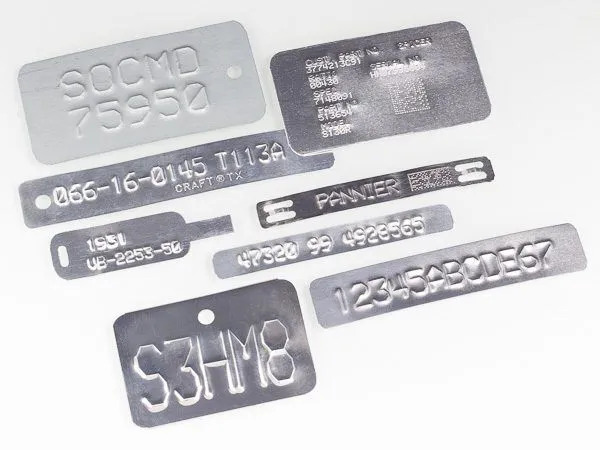
A key feature of reliable metal tags and labels is the permanence of their data. Tags should feature engraving, etching, or stamping that won’t wear off even after years of exposure to chemicals or abrasion. Metal engraved labels, in particular, ensure asset details remain legible for the lifespan of the equipment.
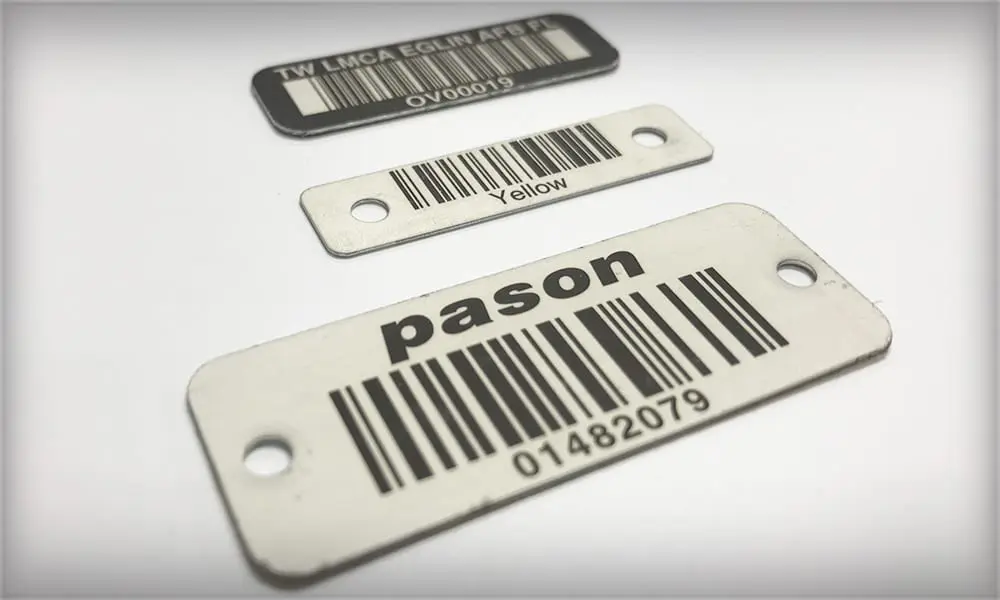
3. Barcode or QR Code Compatibility
To enable automated tracking and digital asset management, modern metal tags can be embedded with barcodes or QR codes. These enable quick scanning and instant access to maintenance logs, location data, and ownership records.
4. Customizability
Modern industries are complex, and off-the-shelf tags may not always meet operational needs. Look for suppliers that offer metal tags custom to your specifications—whether it’s shape, thickness, mounting options, or data formatting.
This is particularly important in specialized industries. For example, custom metal tags in Canada are in high demand in the energy, transportation, and construction sectors due to diverse regulatory and environmental conditions.
5. Easy Mounting or Attachment Options
Ease of application is another factor to consider. Quality industrial metal tags should come with options like:
- Pre-drilled holes
- Adhesive backing
- Wire or chain attachment
- Magnetic options (for temporary tagging)
These choices make installation faster and more secure, minimizing disruption during tagging.
6. Weather and Chemical Resistance
A hallmark of industrial-grade metal tags is their ability to withstand harsh elements. Whether your assets are stored outdoors or exposed to solvents and fuels, tags must maintain legibility. Look for tags with surface treatments that resist fading, corrosion, UV damage, and moisture.
7. Compliance and Safety Standards
In regulated industries such as oil & gas, pharmaceuticals, or aviation, asset tags often need to meet specific standards. Whether it’s OSHA, ANSI, or ISO, make sure your metal name plates and valve tags align with required safety and labeling protocols.
Trends in Metal Tagging and Asset Management
The asset tracking industry is rapidly evolving. Here are a few key trends that make metal tags even more relevant:
FAQs About Metal Tags
What metals are commonly used in asset tags?
Stainless steel, aluminum, brass, and anodized aluminum are most commonly used due to their durability and resistance to environmental stress.
How long do metal tags last?
Depending on the environment and material, metal tags can last 10–20 years or more without significant wear.
Are custom designs available for metal tags?
Yes. Metal tags custom services offer design flexibility, including size, shape, metal type, engraving method, and barcode integration.
Can metal tags be used outdoors?
Absolutely. Industrial metal tags are weather-resistant, UV-resistant, and often waterproof, making them ideal for outdoor use.
Where can I get quality metal tags in Canada?
Many suppliers offer custom metal tags in Canada, ranging from industrial manufacturers to specialty engraving services. Always choose a provider with experience in your specific industry for the best results.

Final Thoughts
In today’s fast-paced, data-driven environment, businesses can’t afford asset tracking mistakes. Metal tags provide a powerful solution, offering unparalleled durability, customization, and operational efficiency. Whether it’s for high-temperature machinery, underground piping, or critical valves, these tags are proving essential in sectors around the globe.
Investing in high-quality metal tags and labels is not just about asset tracking—it’s about safeguarding your operations, ensuring compliance, and staying ahead in a competitive market. And with the growing demand for custom metal tags in Canada and internationally, now is the time to upgrade your tagging systems for the future.


