Efficient fleet management hinges on consistent access to high-quality fuel. For fleet operators, ensuring vehicles are always fueled and ready to go is crucial to maintaining schedules, reducing downtime, and maximizing productivity. bulk fuel delivery services provide a streamlined and cost-effective solution, offering fleet operators the convenience of on-site refueling without interruptions.
Table of Contents
- The Advantages of Bulk Fuel Delivery
- Bulk Diesel Delivery for Heavy-Duty Fleets
- Bulk Gasoline Delivery for Versatile Fleets
- Ensuring Quality and Reliability in Bulk Fuel Delivery
- How to Choose the Right Bulk Fuel Delivery Provider
- The Future of Bulk Fuel Delivery for Fleet Operators
- FAQs About Bulk Fuel Delivery
- Conclusion
The Advantages of Bulk Fuel Delivery
Bulk fuel delivery services have transformed how fleet operators manage their fuel needs. By providing reliable and efficient solutions, bulk fuel delivery ensures that businesses can streamline their fuel operations. Whether it’s bulk diesel delivery or bulk gasoline delivery, these services offer a range of benefits that simplify operations and enhance efficiency.
Convenience and Time Savings
Bulk fuel delivery services save fleet operators significant time by eliminating the need for drivers to make frequent trips to off-site fueling stations. Instead, fuel is delivered directly to the fleet’s location, ensuring that vehicles stay fueled and operational without disrupting schedules. This allows drivers to focus on their primary tasks, contributing to more efficient use of time and resources. The convenience of on-site fueling reduces operational delays and keeps the fleet running smoothly.
Cost Efficiency
Buying fuel in bulk often results in substantial cost savings, as bulk rates are typically lower than retail prices at fueling stations. For fleet operators, this can lead to a significant reduction in overall fuel expenses. Moreover, bulk delivery services often provide the advantage of predictable pricing and delivery schedules, making it easier to manage fuel costs and integrate them into long-term budgeting and planning. These savings can be reinvested into other areas of fleet management or operational improvements.
Enhanced Fleet Productivity
With bulk fuel delivery, fleet operators can keep their vehicles on the road rather than wasting time making unscheduled fuel stops. This helps minimize downtime and ensures that fleets operate at peak efficiency. The convenience of having fuel readily available at a central location allows for more predictable and streamlined scheduling. By reducing the frequency of fueling-related disruptions, operators can maintain better control over their fleet’s productivity and overall operational flow.
Environmental Benefits
By reducing the number of trips to fueling stations, bulk fuel delivery helps cut down on fuel consumption and vehicle emissions, contributing to a more sustainable operation. This reduction in travel distances not only lowers the carbon footprint of the fleet but also minimizes wear and tear on vehicles. Fleet operators who prioritize sustainability can leverage bulk fuel delivery to align with eco-friendly practices while still meeting their fuel demands. This benefit supports both operational goals and environmental responsibility.
Customized Solutions
Bulk fuel delivery services offer flexibility to meet the unique needs of different fleets, ensuring that the right type of fuel is delivered in the right quantities. Whether a fleet requires bulk diesel for heavy-duty trucks or bulk gasoline for lighter vehicles, providers can customize deliveries based on specific requirements. This tailored approach ensures that fleets are always properly fueled, helping operators avoid delays and maintain smooth operations. Personalized fuel solutions also provide greater control over logistics and inventory management.
Bulk Diesel Delivery for Heavy-Duty Fleets
Diesel-powered vehicles are the backbone of many fleet operations, especially in industries such as logistics, construction, and agriculture. Bulk diesel delivery ensures these vehicles remain operational without unnecessary downtime. Fleet operators can benefit from fuel that meets industry standards, ensuring optimal engine performance and longevity.
By choosing bulk diesel delivery, fleet operators can:
- Reduce costs associated with frequent fueling trips.
- Maintain consistent fuel quality.
- Simplify inventory management with scheduled deliveries.
Bulk Gasoline Delivery for Versatile Fleets
For fleets that rely on gasoline-powered vehicles, bulk gasoline delivery offers the same level of convenience and efficiency. This service is ideal for businesses with diverse vehicle types, including cars, vans, and light-duty trucks. Bulk gasoline delivery ensures that fleets have access to high-quality fuel, enhancing vehicle performance and reliability.
With bulk gasoline delivery, fleet operators can:
- Avoid interruptions caused by fuel shortages.
- Streamline refueling processes.
- Optimize operational efficiency by eliminating off-site fueling.
Ensuring Quality and Reliability in Bulk Fuel Delivery
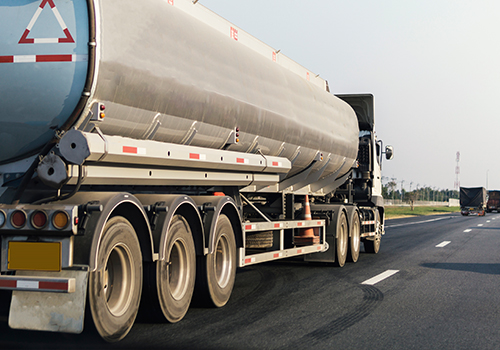
Fleet operators rely on the consistency and quality of their fuel supply to keep operations running smoothly. Reputable bulk fuel delivery providers adhere to strict quality control measures, ensuring the fuel delivered meets or exceeds industry standards. This commitment to quality helps prevent engine issues and enhances overall fleet performance.
Additionally, reliable bulk fuel delivery services prioritize timely deliveries, helping fleet operators avoid disruptions caused by fuel shortages. Many providers offer advanced scheduling options and real-time tracking to ensure seamless fuel management.
How to Choose the Right Bulk Fuel Delivery Provider
Selecting the right bulk fuel delivery provider is crucial for fleet operators aiming to maximize the benefits of these services. Here are some factors to consider:
Service Coverage
It’s essential to choose a bulk fuel delivery provider that offers services in all the areas where your fleet operates. A provider with extensive coverage ensures you won’t face delays or gaps in fuel availability, helping to maintain operational efficiency. Check if they can accommodate remote or hard-to-reach locations if needed, ensuring uninterrupted service across your entire service area.
Fuel Quality Standards
The quality of fuel delivered is crucial for the longevity and performance of your equipment. Make sure the provider adheres to strict industry standards for fuel quality, including regular testing and inspections. High-quality fuel helps prevent engine wear and reduces the risk of costly breakdowns due to fuel contamination or impurities.
Delivery Flexibility
A good bulk fuel provider should be able to offer flexible delivery schedules that align with your operations. Whether you need fuel delivered during off-hours, on weekends, or at specific intervals, the provider should be able to accommodate your unique needs. Timely and reliable deliveries will help you avoid unnecessary downtime and ensure your equipment is always fueled and ready for use.
Competitive Pricing
While pricing is an important consideration, it’s essential to focus on value rather than just cost. Compare different providers to assess not only their rates but also the level of service they offer. A slightly higher price may be justified if it comes with better service, quality fuel, or more flexible delivery options, ultimately saving you money in the long run.
Customer Support
Responsive and proactive customer support is vital when choosing a fuel delivery provider. A provider with a strong reputation for excellent service can assist with any scheduling issues, delivery concerns, or emergencies that may arise. Look for a provider that offers 24/7 support, ensuring that you have help whenever you need it.
The Future of Bulk Fuel Delivery for Fleet Operators
As fleet operations continue to evolve, bulk fuel delivery services are expected to play an increasingly important role. Advancements in technology, such as automated scheduling and fuel tracking systems, will enhance the efficiency and reliability of these services. Moreover, the growing emphasis on sustainability is likely to drive innovations in eco-friendly fuel options, offering fleet operators more choices to meet their needs responsibly.
FAQs About Bulk Fuel Delivery
What is bulk fuel delivery?
Bulk fuel delivery is a service that provides large quantities of fuel, such as diesel or gasoline, directly to a customer’s location. This service is commonly used by fleet operators to ensure their vehicles are consistently fueled and operational.
How does bulk fuel delivery benefit fleet operators?
Bulk fuel delivery saves time and reduces costs by eliminating the need for drivers to refuel at off-site locations. It also enhances operational efficiency, ensures consistent fuel quality, and supports better inventory management.
What types of fuel are available through bulk fuel delivery?
Bulk fuel delivery services typically offer diesel and gasoline. Some providers may also supply other fuel types, such as biodiesel or ethanol blends, depending on customer needs.
How can fleet operators ensure they receive high-quality fuel?
To ensure fuel quality, fleet operators should choose reputable bulk fuel delivery providers that adhere to industry standards and implement rigorous quality control measures.
Is bulk fuel delivery environmentally friendly?
Bulk fuel delivery can be more environmentally friendly than traditional fueling methods, as it reduces the need for multiple trips to fueling stations and decreases overall emissions. Additionally, some providers offer eco-friendly fuel options to further support sustainability efforts.
Conclusion
For fleet operators, bulk fuel delivery services offer a fast, affordable, and efficient solution to meet their fueling needs. Whether it’s bulk diesel delivery for heavy-duty vehicles or bulk gasoline delivery for versatile fleets, these services ensure uninterrupted operations and improved productivity. By partnering with a reliable provider, fleet operators can streamline their fuel management processes, reduce costs, and focus on what matters most—keeping their fleet moving efficiently.


